A bridge with two cultural shores
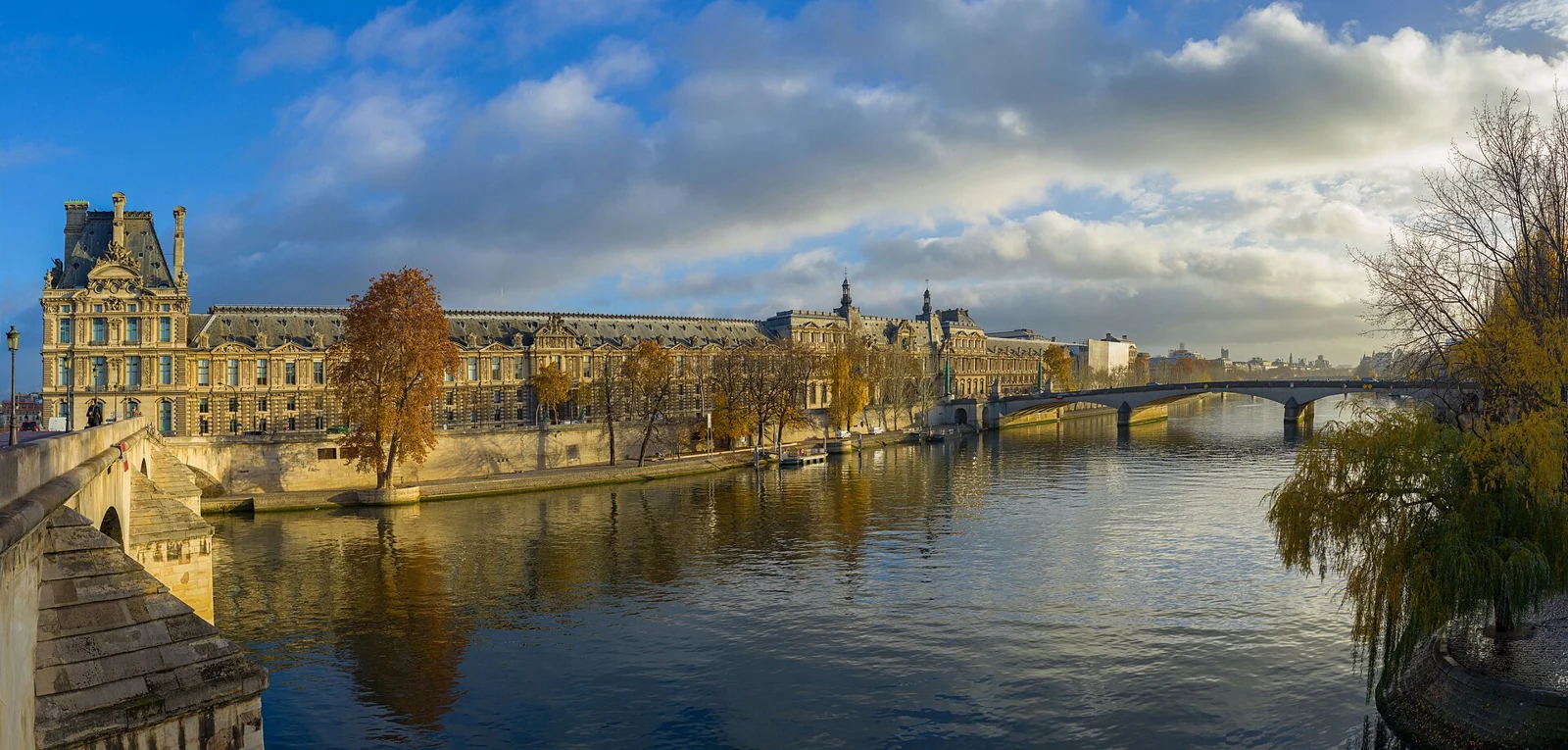
Pont des Arts is especially rewarding after a museum visit, when you need space to look rather than more information to absorb. The Louvre stands on the Right Bank; the Institut de France faces it from the Left. Between them, the pedestrian deck gives the water and its changing traffic the role of an open-air gallery.
Walk across before choosing a place to stop. The view changes with only a few steps: the island appears upstream, the river opens downstream and the façades on either bank take turns becoming the main subject. Allow other people room to move through what remains a useful everyday crossing.
The first iron bridge and its successor
The original early nineteenth-century crossing was Paris's first iron bridge. Its name referred to the Louvre, then known as the Palais des Arts. That first structure belongs to the period when metal was changing the possibilities of urban engineering, even if today's visitor associates the site principally with romance.
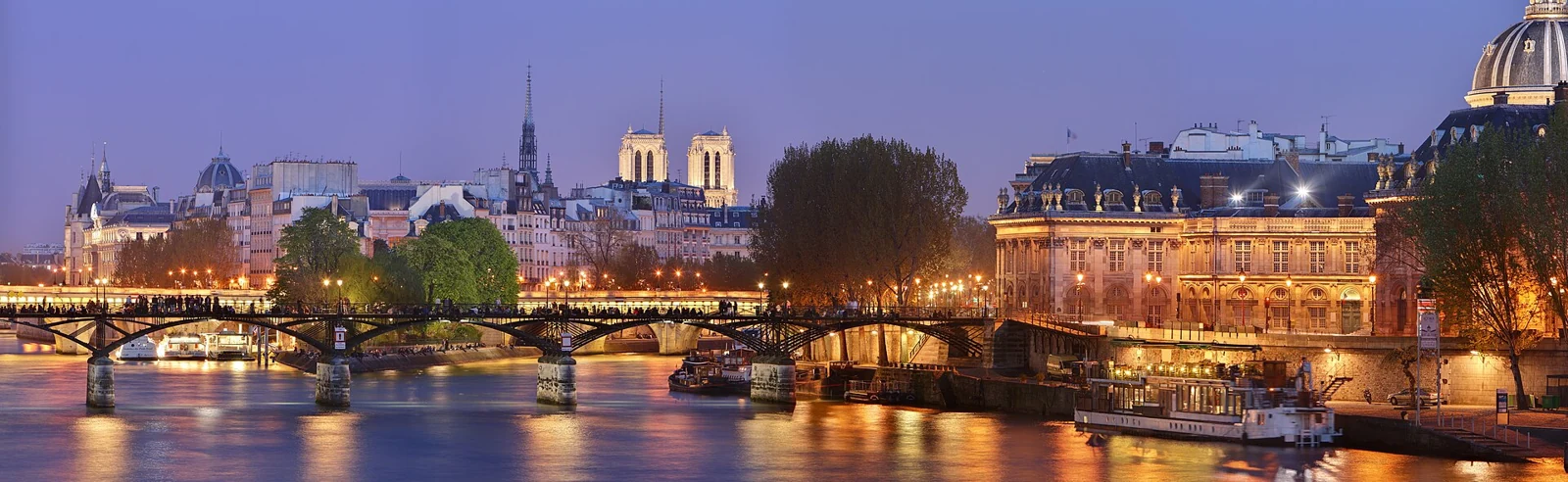
The bridge visible now is a later reconstruction, inaugurated in 1984. It has seven steel arches rather than the earlier structure's nine. This distinction matters: “historic crossing” does not mean that every element beneath your feet has survived from Napoleon's time. The site carries continuity through replacement as well as preservation.
Read the architecture without rushing
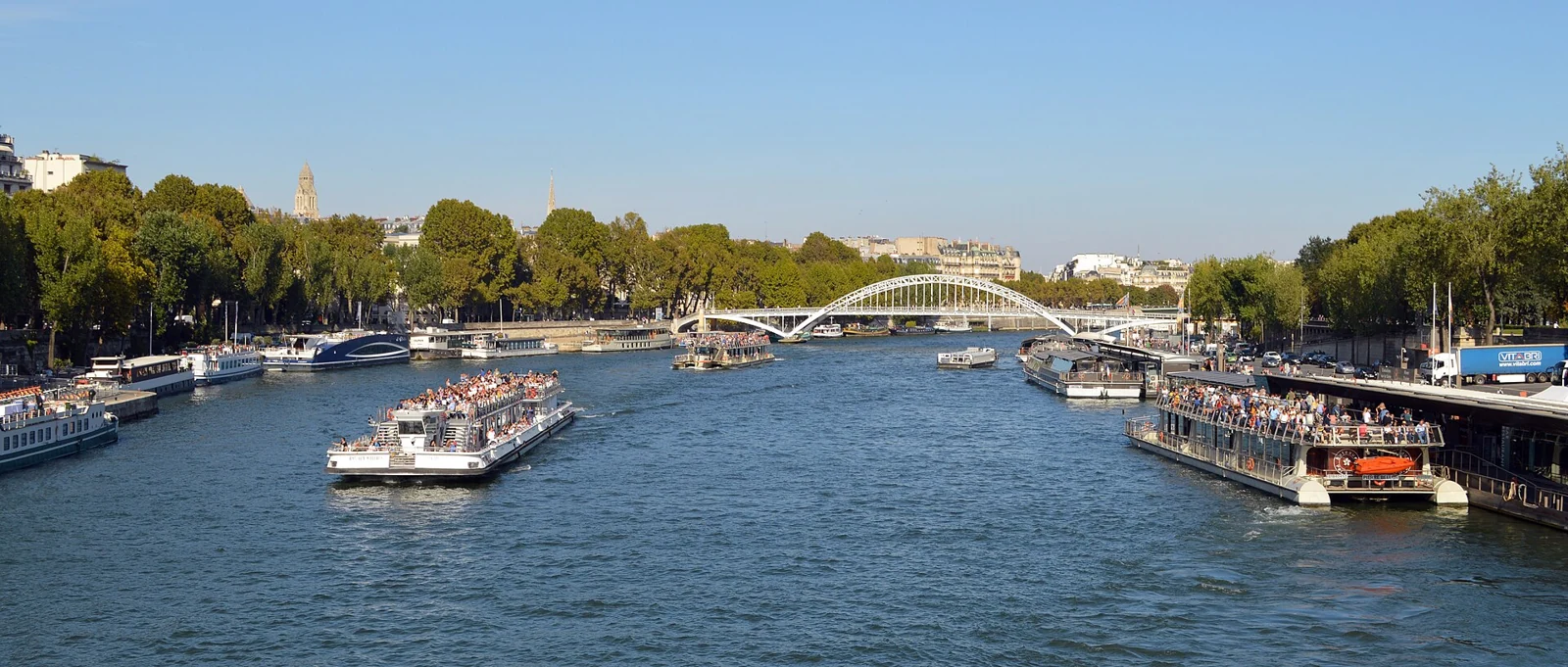
Notice how the narrow supports and open parapets keep the panorama dominant. Compared with a road bridge, the pedestrian space offers fewer interruptions from traffic, although it can become crowded. Try looking along the deck towards each shore, then turn sideways to follow a boat through the neighbouring spans.
The timber surface also belongs to a changing maintenance history. The City renewed the deck in 2023 and carried out further consolidation in 2026. This is a working public structure that needs care, not an untouched relic. Temporary barriers or maintenance notices should take precedence over any older photograph or walking description.
Romance without leaving a lock
The bridge became famous for love locks, but their accumulated weight damaged railings and created safety risks. Paris began removing the affected panels in 2015. Attaching another lock is not a harmless way to participate in the site's history; the repair and removal are part of that history too.
Choose a photograph, a sketch or a shared moment instead. This also leaves the river visible to the next visitor. If you are travelling for an anniversary, the simplest arrangement can be the most enjoyable: a short museum visit, an unhurried crossing and a meal or boat trip that suits your own pace.
Build a museum-to-river afternoon
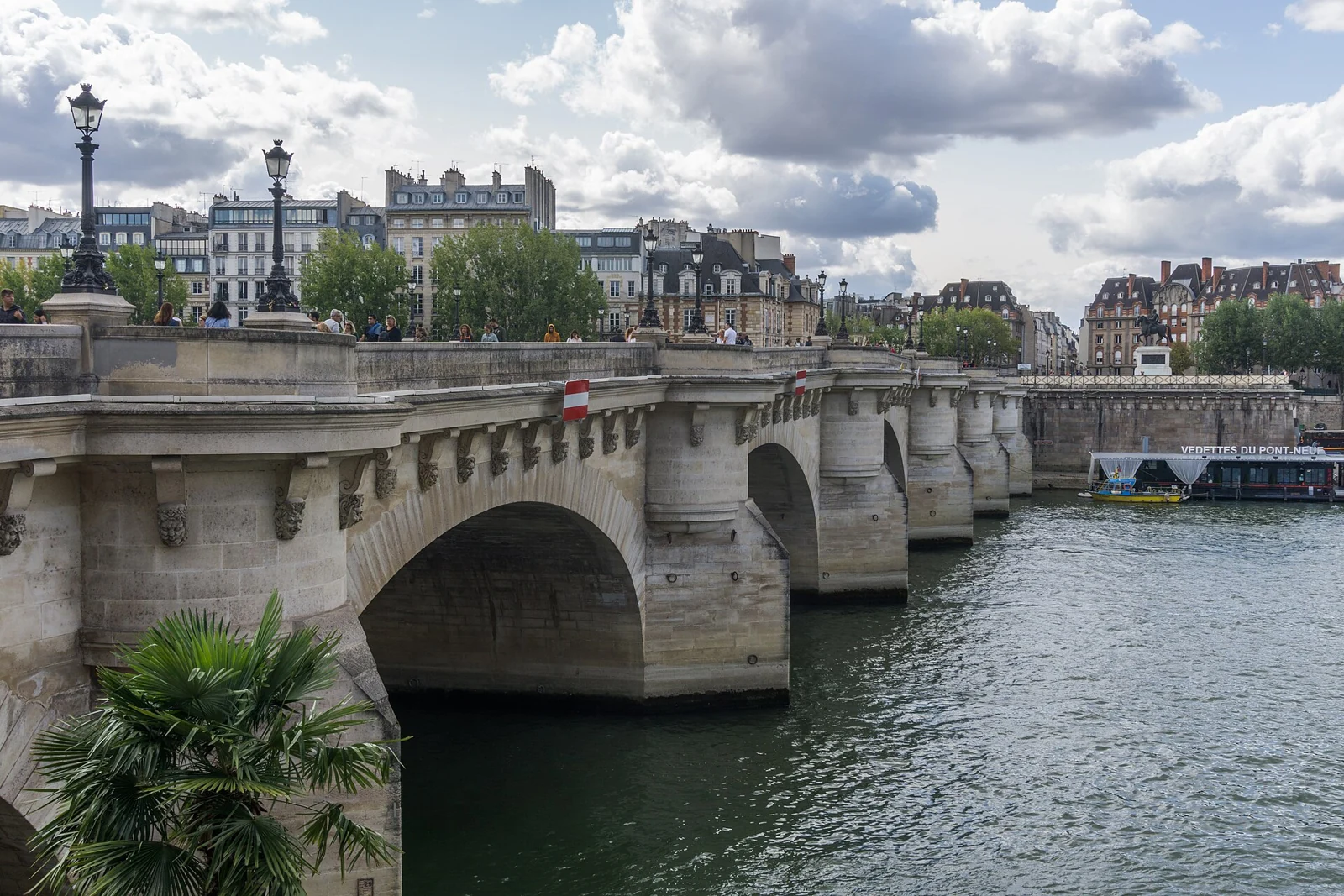
After the Louvre, cross to the Left Bank and continue along the public streets beside Quai de Conti. Pont Neuf provides a natural next crossing if you want to return towards the island. For a shorter outing, finish with a café rather than adding another museum simply because it is nearby on a map.
If starting at Orsay, allow for the actual walk along the riverfront instead of treating every museum as immediately adjacent. Lower quays may involve stairs or close in high water; the upper pavement is a useful alternative. Keep larger bags and tripods from obstructing the bridge's limited width.
Add a different perspective from a boat
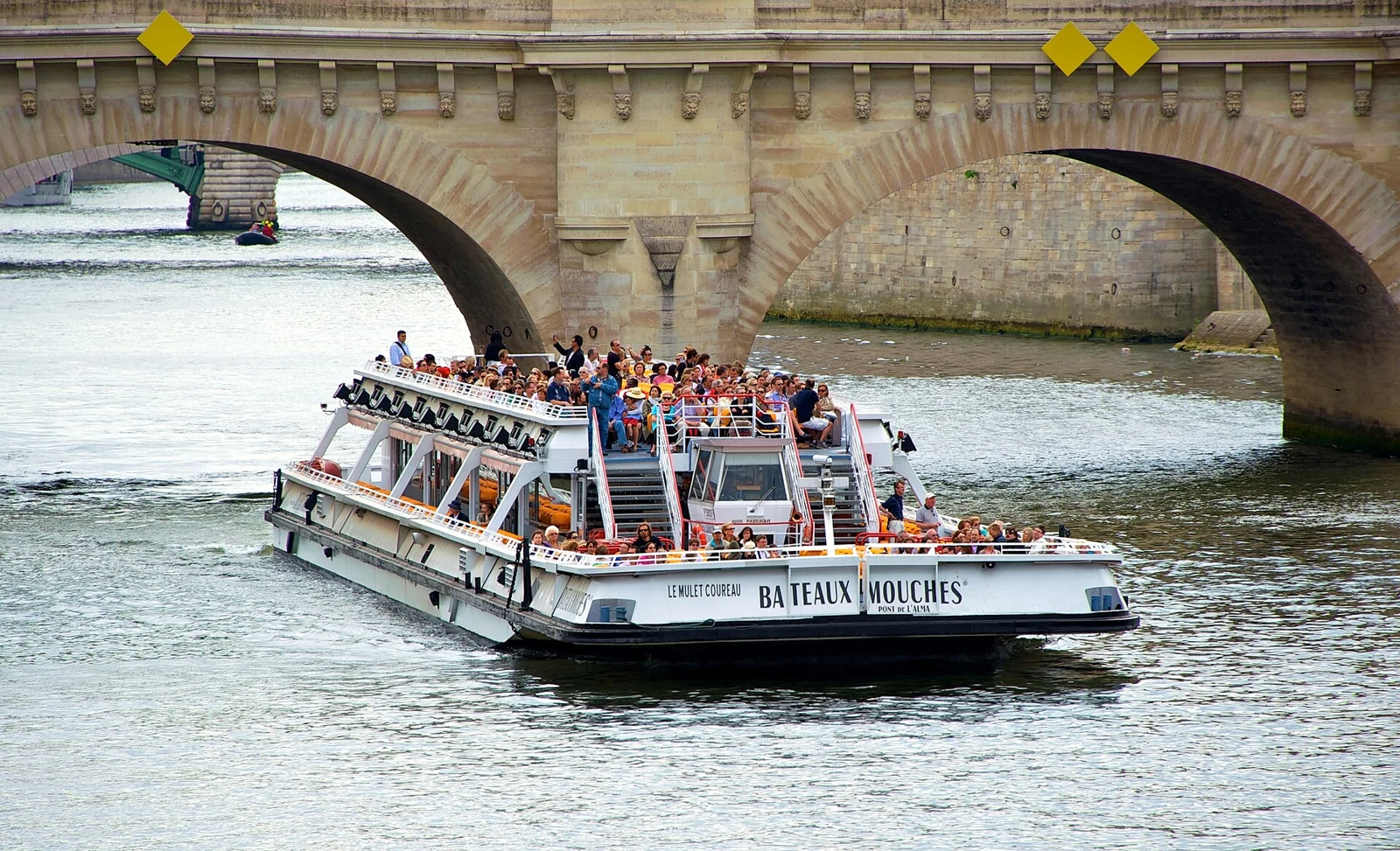
Pont des Arts is a place to walk, not a generic boarding address. A cruise departing from the Pont Neuf area can combine naturally with this part of the city, while other operators leave farther west. Select the GetYourGuide departure first, then build the connecting walk around its precise meeting point.
A daylight cruise can help you compare the slender metal crossing with stone bridges and larger ceremonial spans. An evening departure changes the emphasis to silhouettes and reflected light. Neither requires a dinner package unless the meal is part of the experience you actually want; compare the format and commentary as carefully as the price.
Your questions, answered
Is the current bridge the original iron bridge?
No. The first crossing was built in the early nineteenth century; the present seven-arch steel bridge was inaugurated in 1984.
Should I bring a love lock?
No. Locks damaged the railings and were removed. A photograph or sketch leaves the bridge intact for others.
Can I board a cruise on Pont des Arts?
Use the exact pier on your booking. The pedestrian bridge itself is not a universal meeting point for Seine cruises.
Sources & editorial notes
The guide draws on city, museum, heritage, transport and operator information. Practical recommendations are our editorial judgement; follow the current official notice for date-specific access.
Some links are affiliate links. We may earn a commission if you book through them, at no additional cost to you. Prices, availability and booking terms are set by the provider.