Choose a focus before you reserve
The Louvre and Musée d'Orsay sit on different banks and tell different stories. The Louvre's former palace setting and extensive collections span many periods and regions. Orsay occupies a former railway station and is particularly associated with art of the later nineteenth and early twentieth centuries. Their proximity does not make them interchangeable or easy to exhaust in a single day.
Pick the collection that interests you most, then select a few galleries or works as a focus. A short, deliberate visit can be more satisfying than moving rapidly between famous objects. If both museums matter, give them separate days and use the river walk between them as a connecting thread.
The Louvre from palace to museum
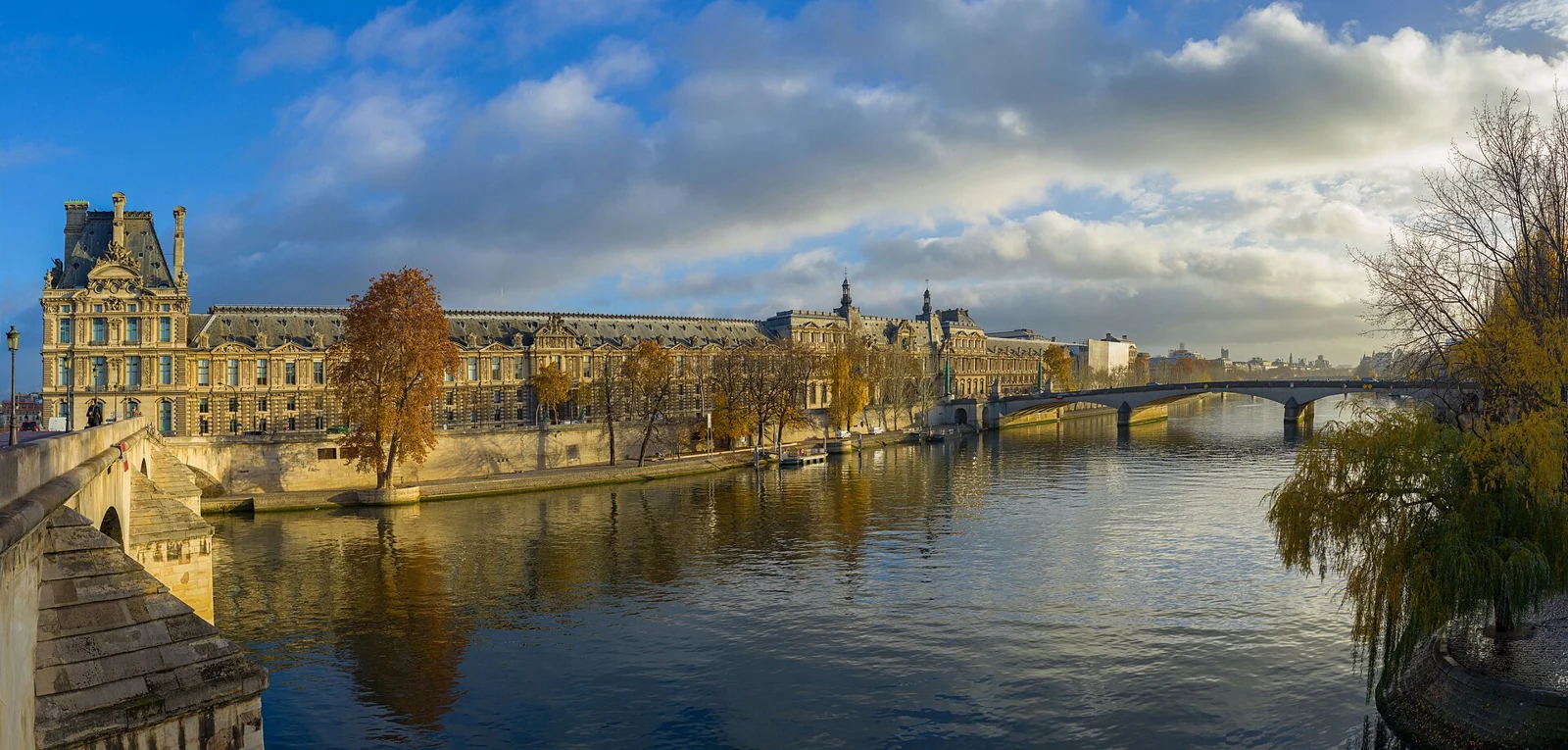
Approaching from the Seine reveals the scale of the Louvre's façades and its relationship with the city. The courtyard and pyramid provide a different perspective from the riverfront. Inside, distances can be substantial, so check the museum map and any room closures before deciding on a route.
The regular weekly closure is Tuesday, but special closures, events and booking conditions can change the calendar. Consult the official visit page for your exact date. Reserve the correct admission category and understand whether a guided offer includes the museum ticket or only a service outside it. Security and timed-entry procedures still require time.
Orsay and the art of modern life
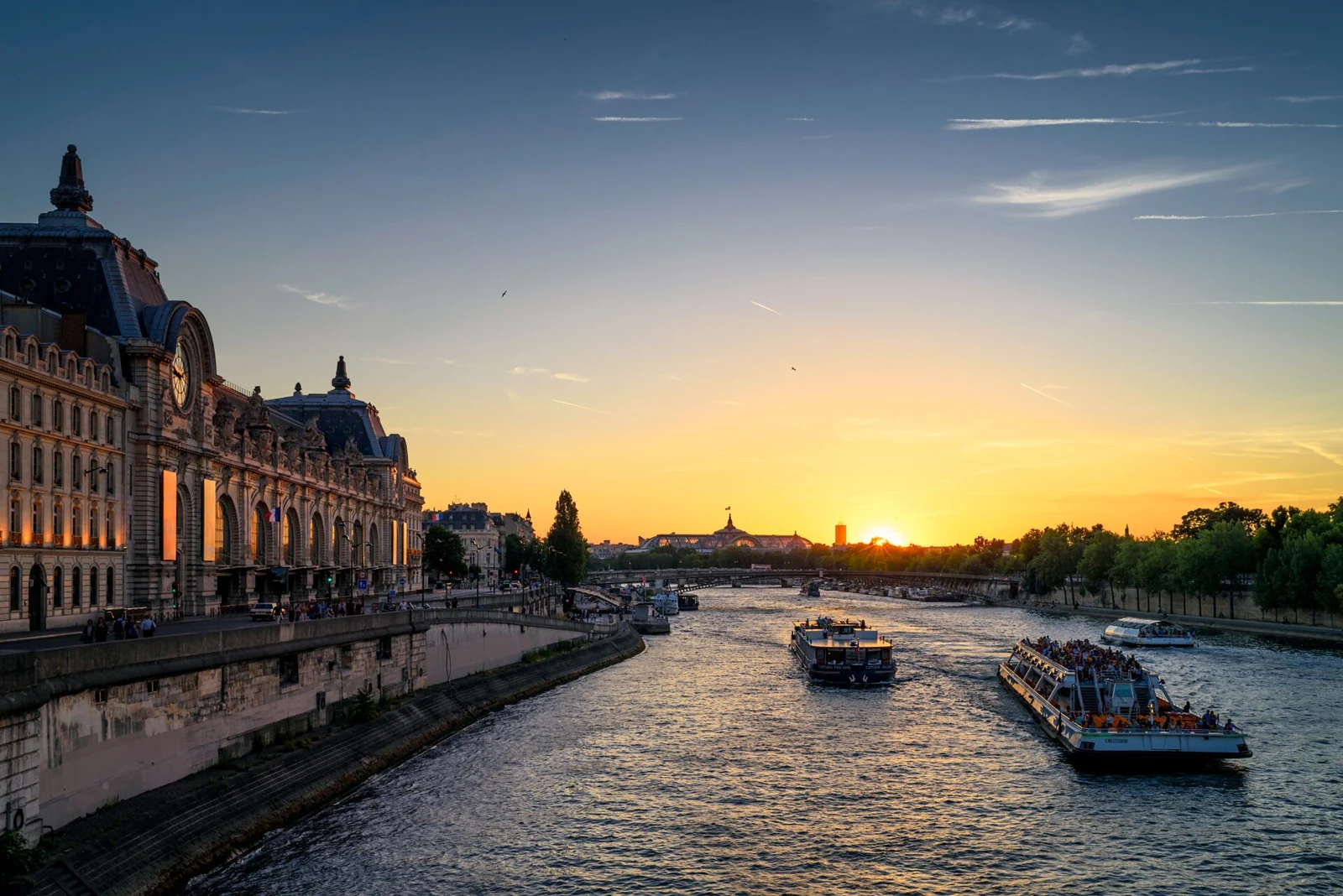
The former station building is part of the experience at Orsay. Its transformation into a museum gives an architectural setting to works that engage with cities, industry, leisure and changing light. River paintings become especially revealing when you compare them with the actual quays outside.
Orsay normally closes on Monday. Check current opening hours, special late openings and exhibitions rather than building a plan around a remembered timetable. A combined attraction product should list each included venue explicitly; the nearby Orangerie is a separate museum, not another wing of Orsay.
Walk between art and water
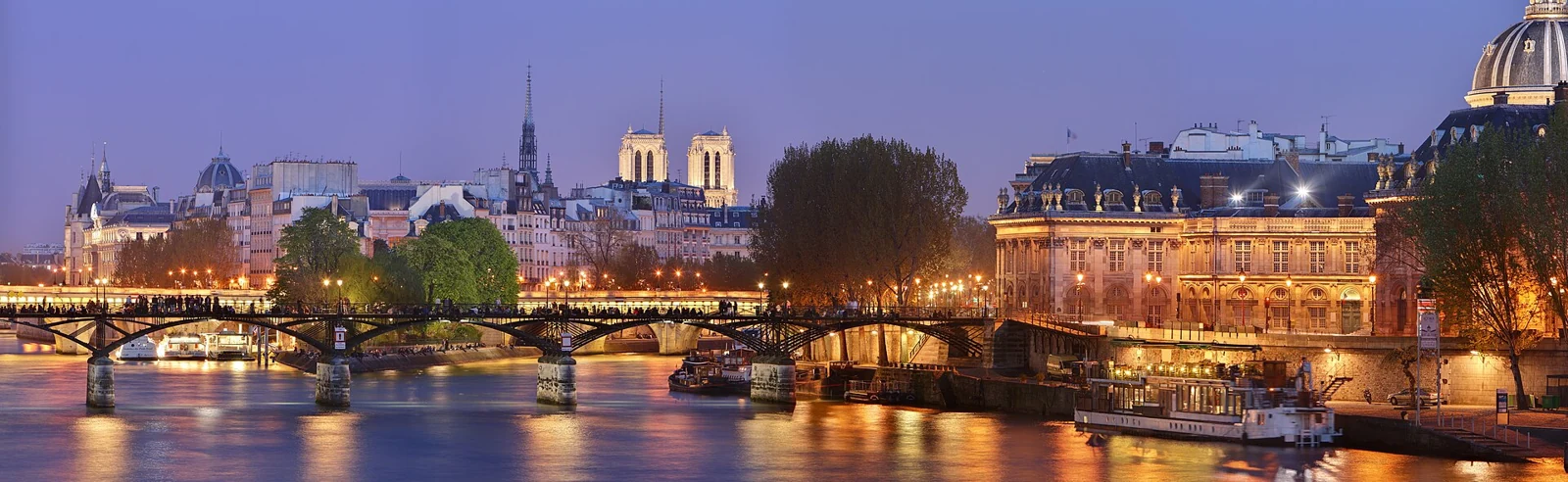
Pont des Arts and the crossings around the Tuileries provide several ways to connect the two banks. Keep the walk as a pause, with time to look back at the façades and the river traffic. The lower quay may involve steps or be closed, so a street-level route is often the more predictable option for luggage or reduced mobility.
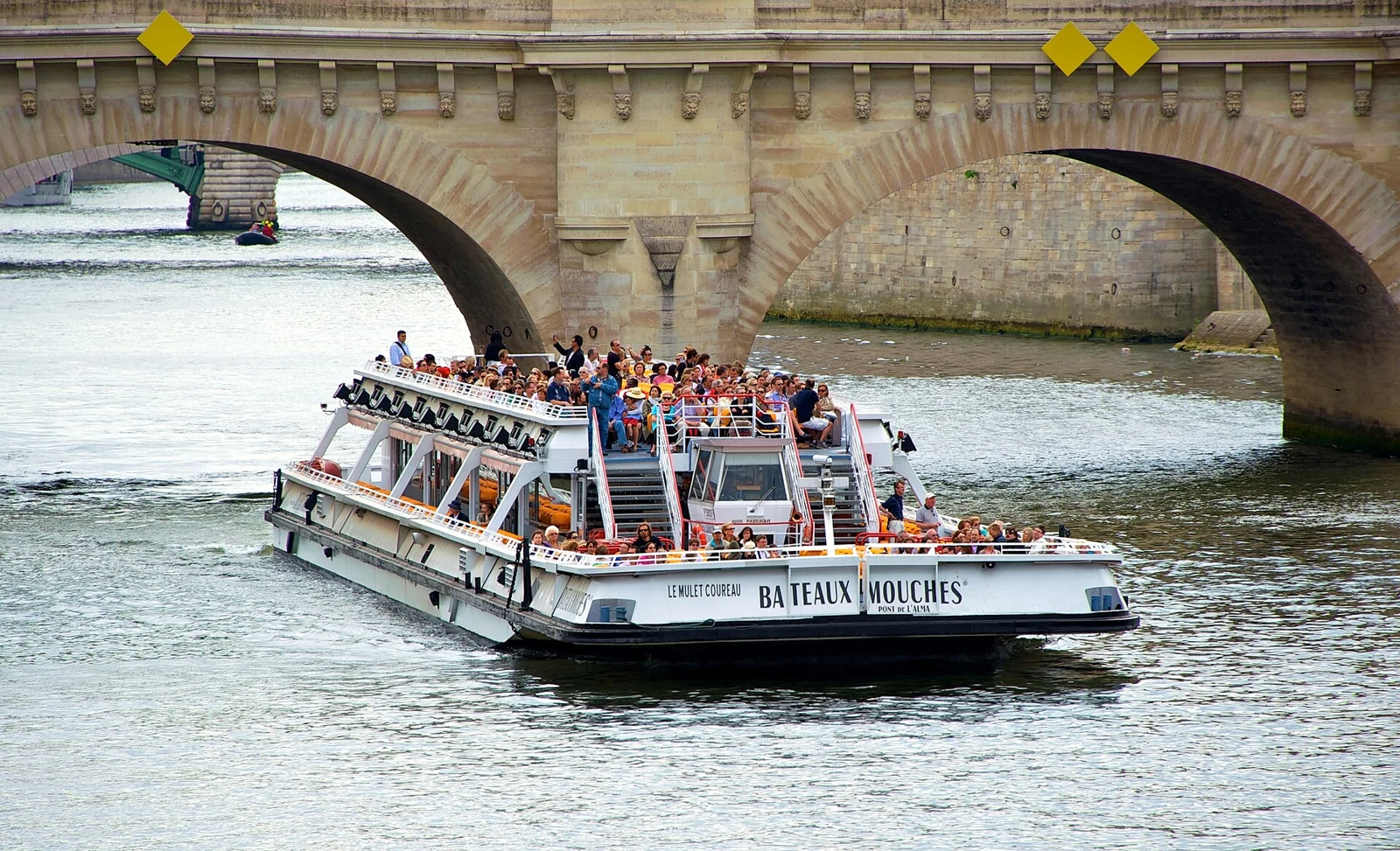
A cruise after a museum visit changes the scale of attention: rooms and individual works give way to bridges and the wider city. Pick a departure you can reach comfortably. Do not assume that a pier shown near a museum belongs to the operator on your ticket.
Pay for the experience you need
An independent visit suits travellers who want to linger or follow a specific interest. A guide can provide a clear route and interpretation, especially when time is limited. Compare group size, language, duration, admission inclusion and cancellation rules before choosing a GetYourGuide option.
Avoid buying duplicate admission through a pass and a separate package. If you already hold a ticket, check whether a tour is compatible with it. For a balanced day, choose one museum, a riverfront lunch and a simple cruise or bridge walk rather than stacking several expensive reservations that leave no room for delays.
Two museums, two banks
See live options · GetYourGuideYour questions, answered
Can I visit both museums in one day?
Yes, with limited goals, but separate days are usually more comfortable. Check closures: the Louvre normally closes Tuesday and Orsay Monday.
Does a guided tour always include admission?
No. Inspect the exact inclusions, reservation requirements and meeting point. An outside walking tour is not a museum admission ticket.
Is the Orangerie included with Orsay?
Only if the product explicitly includes it. They are separate museums with their own arrangements.
Sources & editorial notes
The guide draws on city, museum, heritage, transport and operator information. Practical recommendations are our editorial judgement; follow the current official notice for date-specific access.
Some links are affiliate links. We may earn a commission if you book through them, at no additional cost to you. Prices, availability and booking terms are set by the provider.