A river, not just a Paris landmark
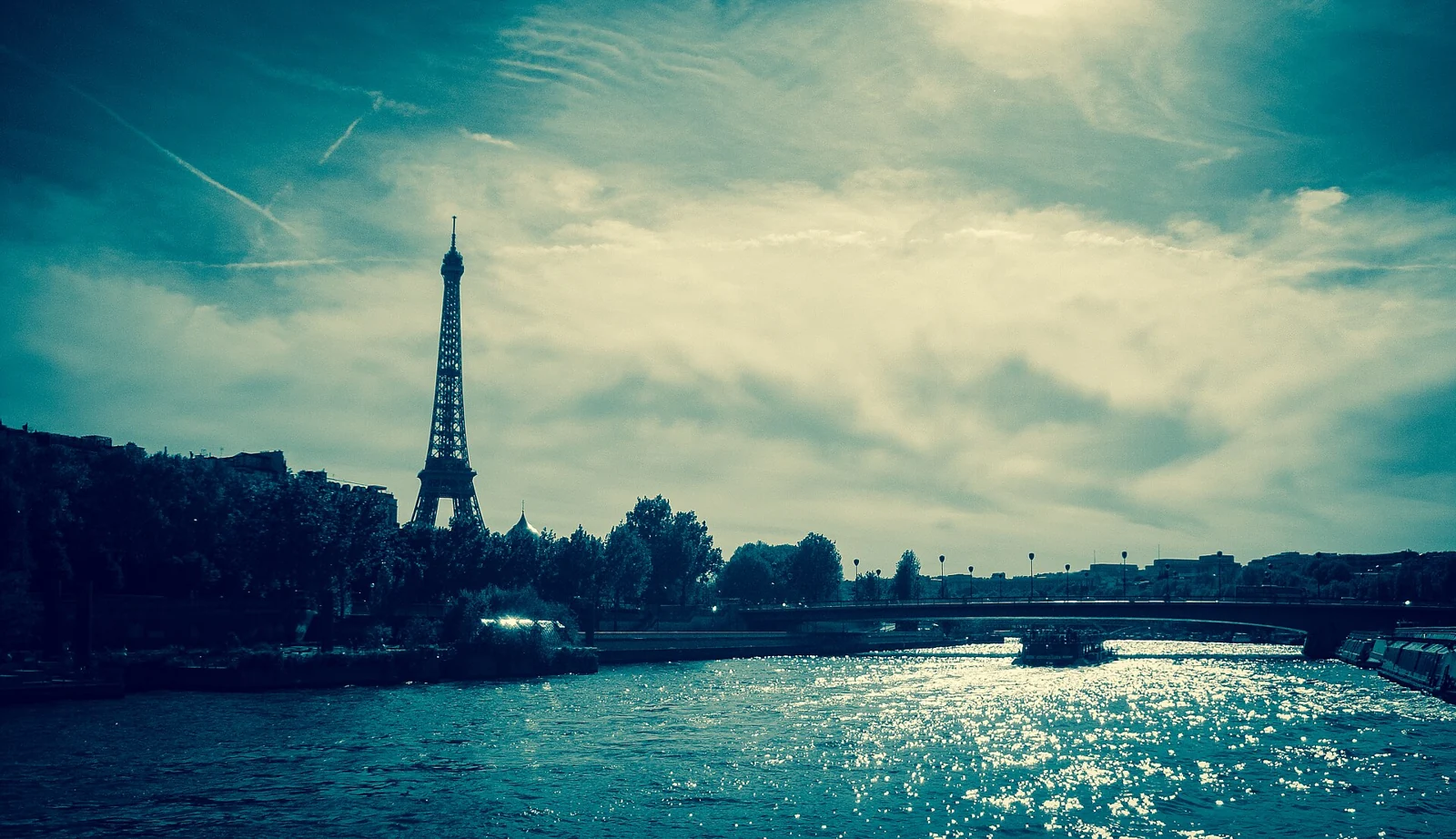
The Seine is the thread that makes this journey coherent. It rises near Source-Seine on the Langres plateau in Burgundy and travels roughly 777 kilometres to the English Channel between the Le Havre and Honfleur sides of its estuary. Paris is one memorable chapter in a much bigger landscape of small settlements, working ports, wooded bends and tidal wetlands. Its French name, la Seine, is feminine; in French it is a fleuve, a river that reaches the sea.
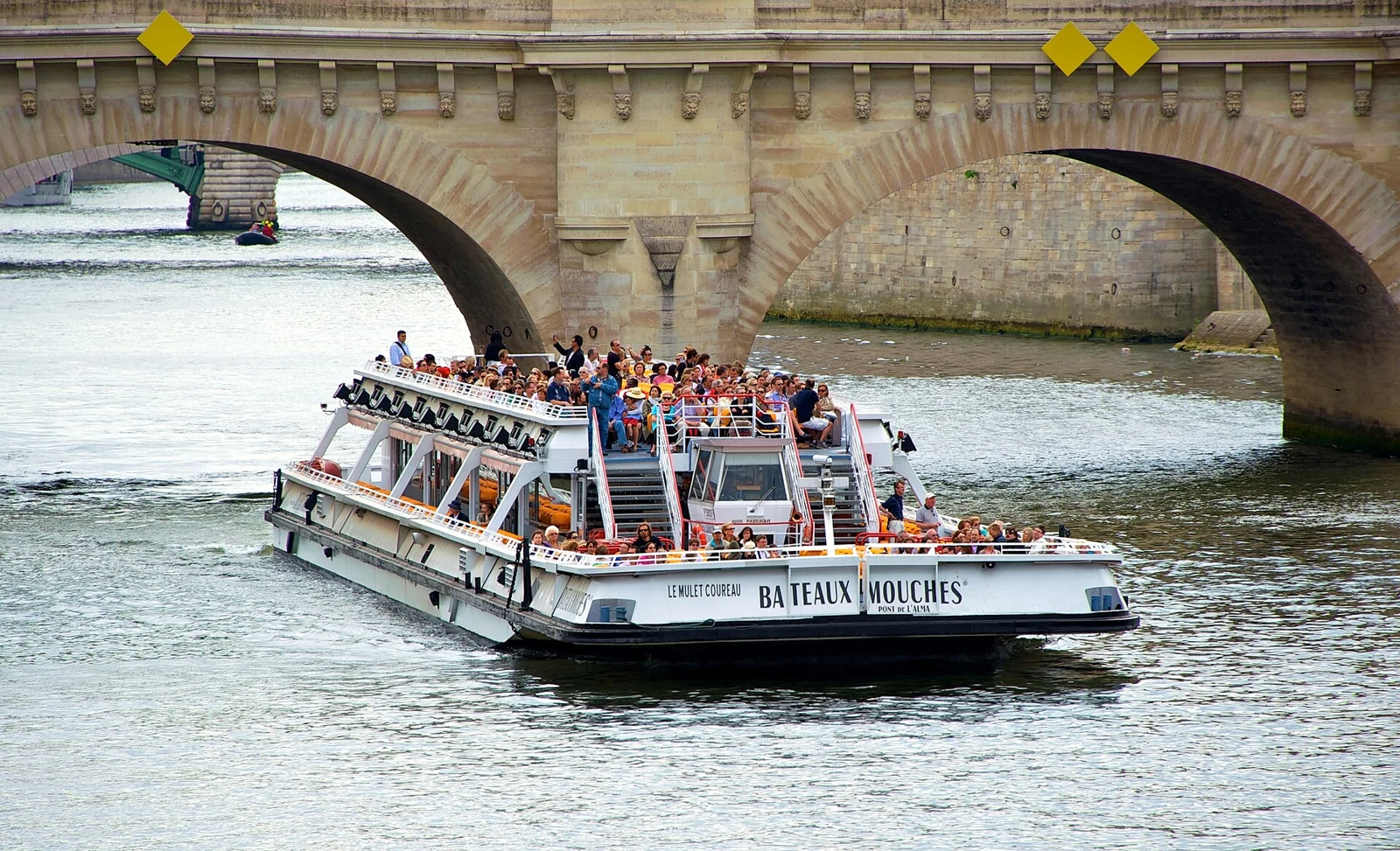
A sightseeing boat in Paris gives a concentrated introduction to that relationship between water and city. It does not travel the whole river. Distinguish a short Paris cruise, a multiday river voyage and an independent trip by rail or road before comparing itineraries. Each reveals a different scale of the Seine.
Reading the banks and islands
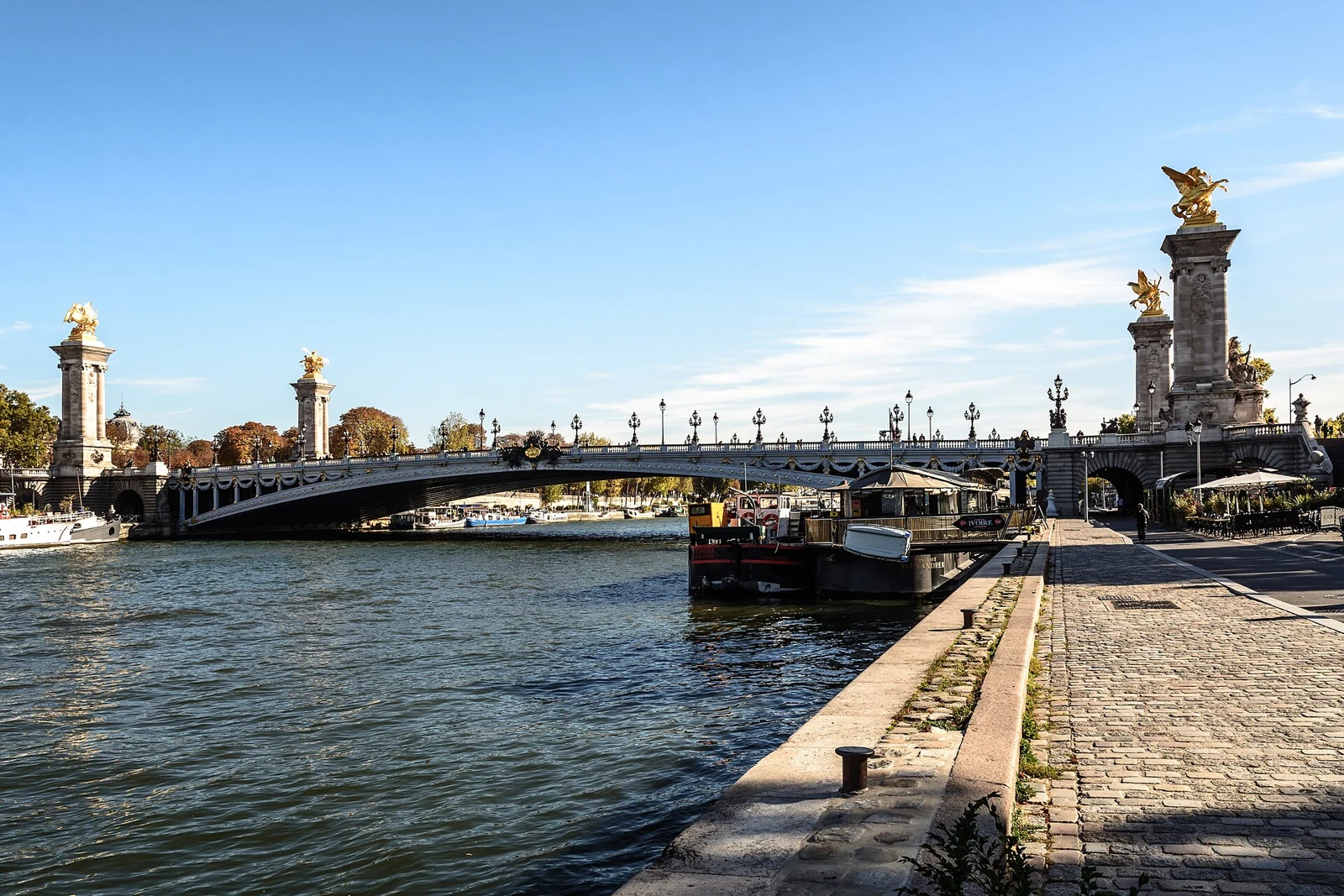
Right Bank and Left Bank describe the sides seen while facing downstream. This makes them consistent geographic terms even when the river bends; they are not interchangeable with the right and left of your photograph. In central Paris, the larger Right Bank is broadly north of the water, while the Left Bank is broadly south. The Île de la Cité and Île Saint-Louis split the river into channels, so several bridges reach an island instead of spanning bank to bank.
The Marne and Oise are major tributaries within the wider Paris region; the Yonne joins farther upstream at Montereau-Fault-Yonne. Remembering that network helps explain why this became a trading region rather than simply a beautiful place to build monuments. The river still carries freight as well as excursion boats.
Follow the river in chapters
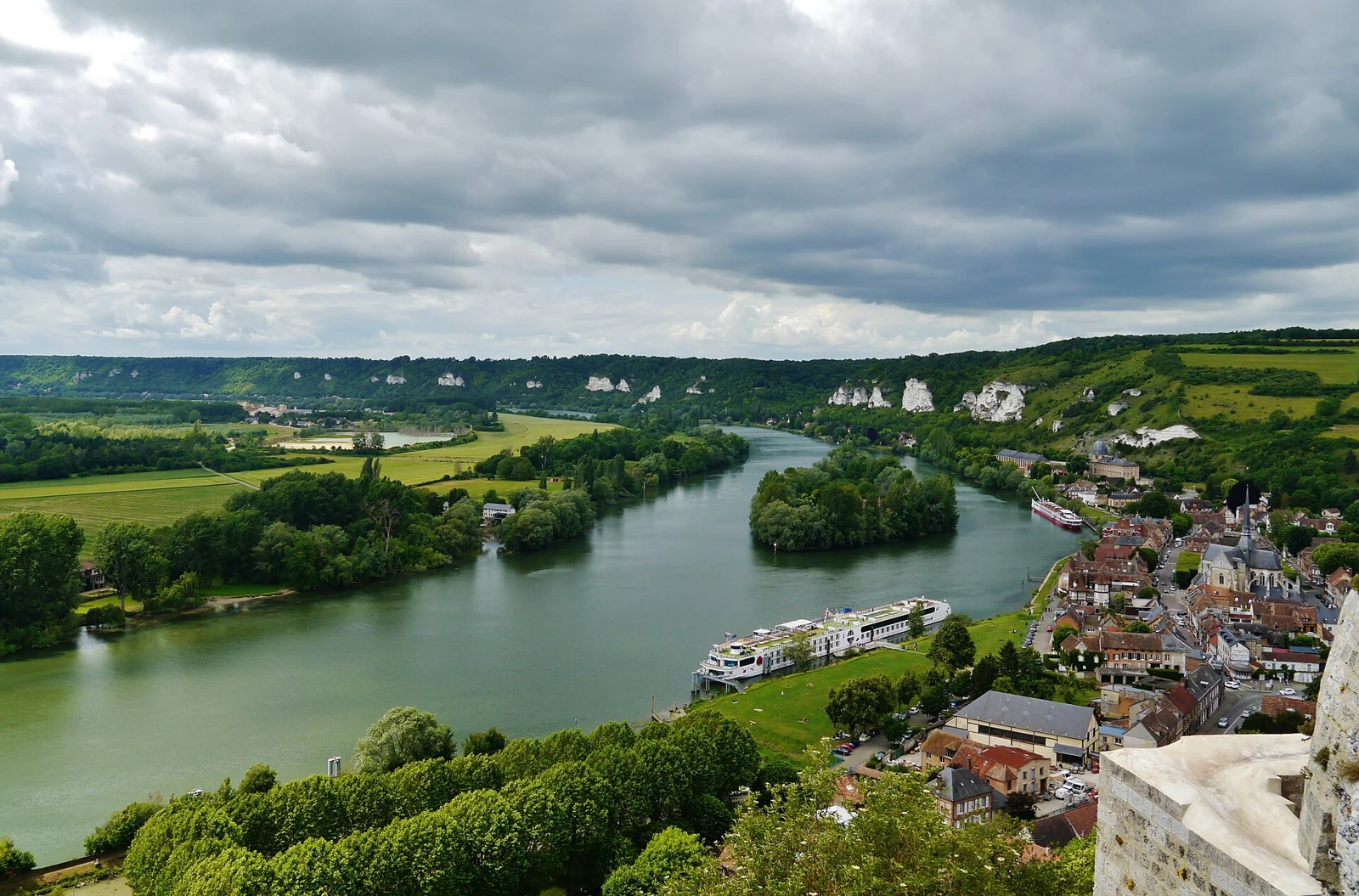
An upstream journey can include Troyes and the Seine valley around Fontainebleau. Paris brings royal history, bridges, museums and the distinctive rhythm of the quays. Downstream, the river swings through the western suburbs and towards the landscapes associated with Impressionism. Vernon is the useful rail gateway for Giverny, which is beside the Epte near its confluence with the Seine—not directly on the main riverbank.
Rouen combines a major port with a medieval centre. Farther downstream, the loops around Jumièges reward slower exploration before the estuary opens towards Honfleur and Le Havre. The two estuary towns offer contrasting architectural stories. Do not plan this entire sequence as one day out from Paris: choose one destination or give Normandy several nights.
What the water changes
Season, rainfall and river operations can alter what visitors experience. High water can close low quays or change a cruise route; an advertised photograph is not a guarantee that every bridge will be passed on your departure. Wind on an open deck can feel much colder than on a sheltered street. A light layer is useful even when your museum itinerary feels summery.
The river is a managed waterway, not an unrestricted swimming spot. Use only officially open, supervised bathing areas when available and follow daily conditions. Keep children away from unguarded quay edges. For walking, carry an alternative route at street level in case riverside access is closed.
Turn the geography into a good first visit
Begin with a walk around the two central islands, then take a daytime or early evening cruise to connect the landmarks visually. On another day, choose a museum on one bank and return across a different bridge. This gives each crossing a purpose and stops the river becoming a backdrop you rush past.
For a longer holiday, add a rail-based Rouen stay or a carefully planned Normandy route. A riverside hotel is most valuable when you will actually spend time in the room; confirm the named view category before paying extra. Our cruise comparison, bridge atlas and hotel guide are designed to make those decisions together.
Your questions, answered
How long is the Seine?
About 777 km. The exact quoted length can vary slightly by measurement; Paris occupies only a small part of the route.
Which way does the Seine flow through Paris?
Broadly from east to west through the city, with bends and divided channels around the islands. Our bridge atlas follows upstream to downstream.
Does a Paris cruise reach Normandy?
Ordinary sightseeing cruises stay in Paris. Normandy requires a separate journey or a specifically sold multiday river cruise.
Sources & editorial notes
The guide draws on city, museum, heritage, transport and operator information. Practical recommendations are our editorial judgement; follow the current official notice for date-specific access.
Some links are affiliate links. We may earn a commission if you book through them, at no additional cost to you. Prices, availability and booking terms are set by the provider.