Why artists keep returning to the water
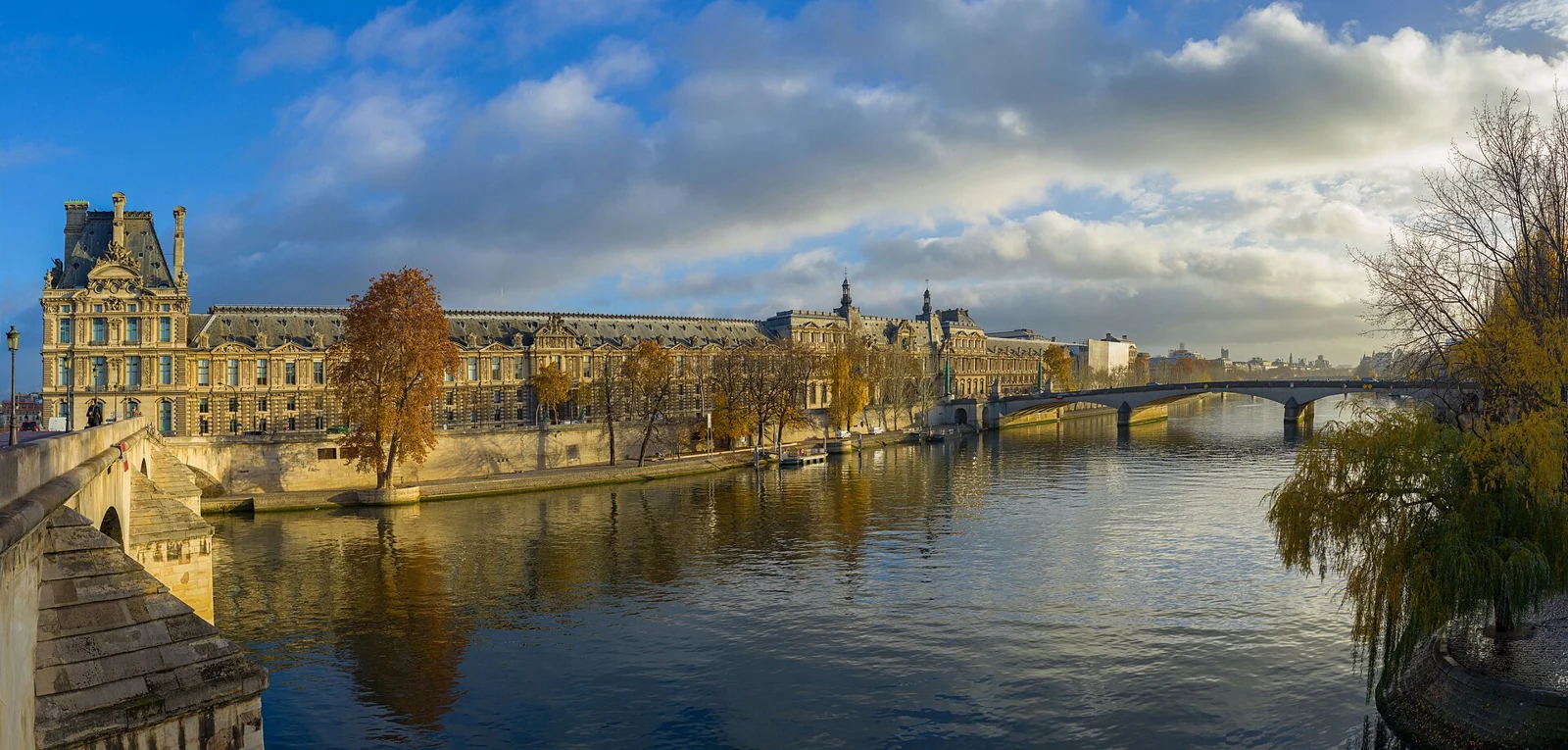
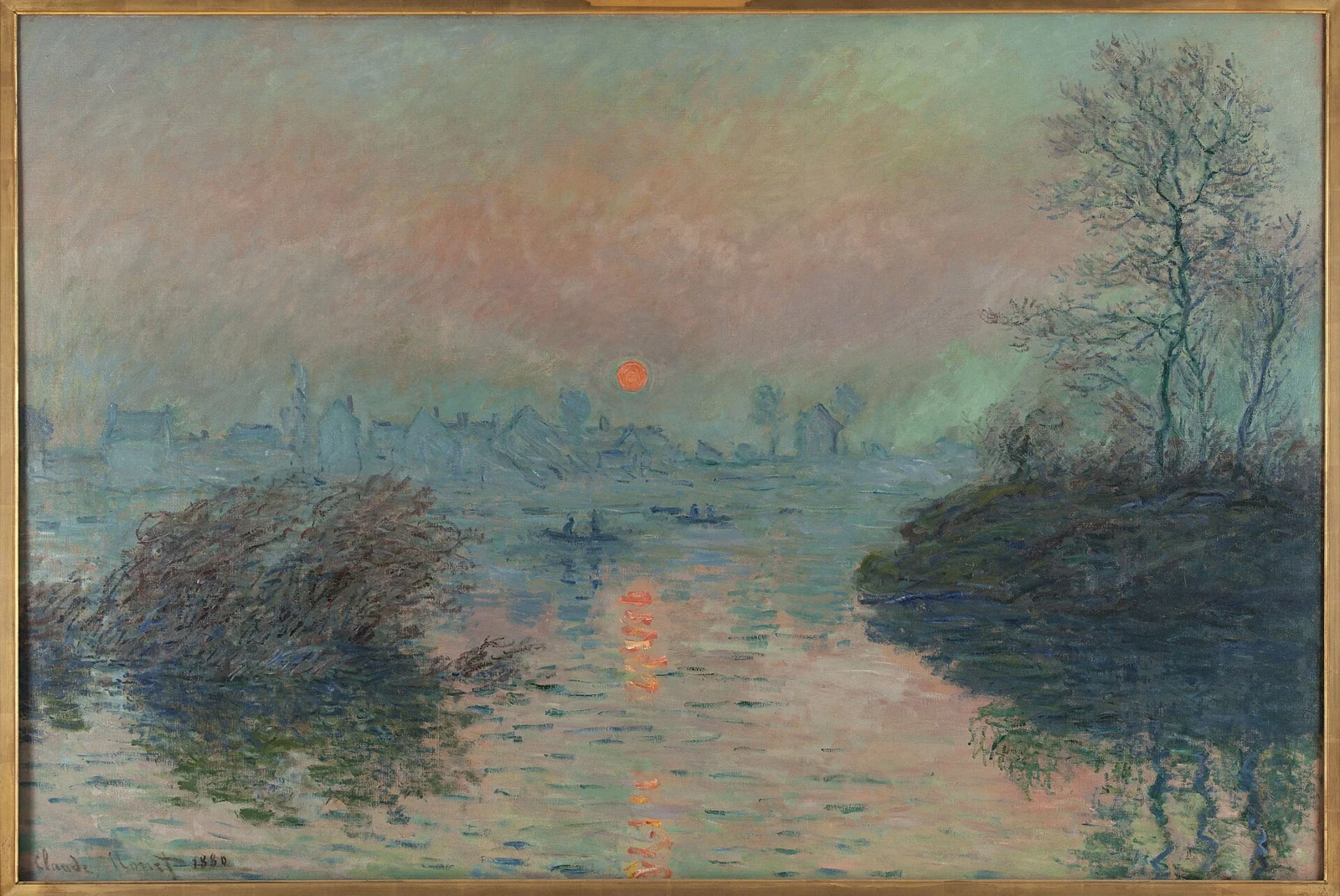
The Seine offers moving light, reflections, traffic and human encounters in one frame. Painters could study atmosphere without leaving the modern world behind: bridges, railway development, factories, pleasure boats and changing suburbs all belonged to the river landscape. An Impressionist river scene is not simply a record of unspoilt nature.
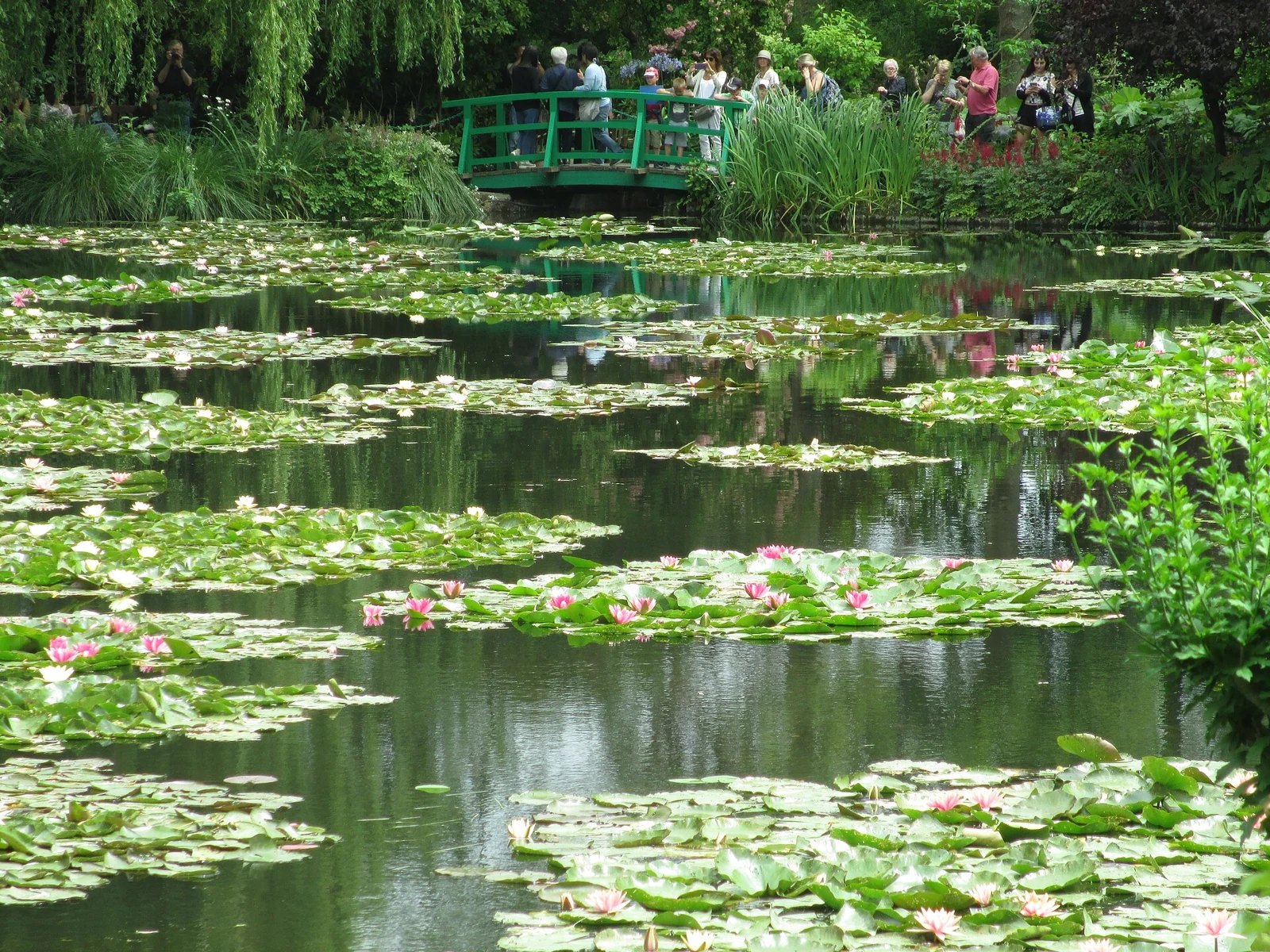
Monet, Renoir and their contemporaries worked along the Seine and nearby waters, often beyond central Paris. Argenteuil and the leisure culture west of the city matter to that story. Giverny belongs to Monet's later life, but his famous water-lily pond is a designed garden fed by a local watercourse, not a section of the Seine itself.
Let a museum change your next walk
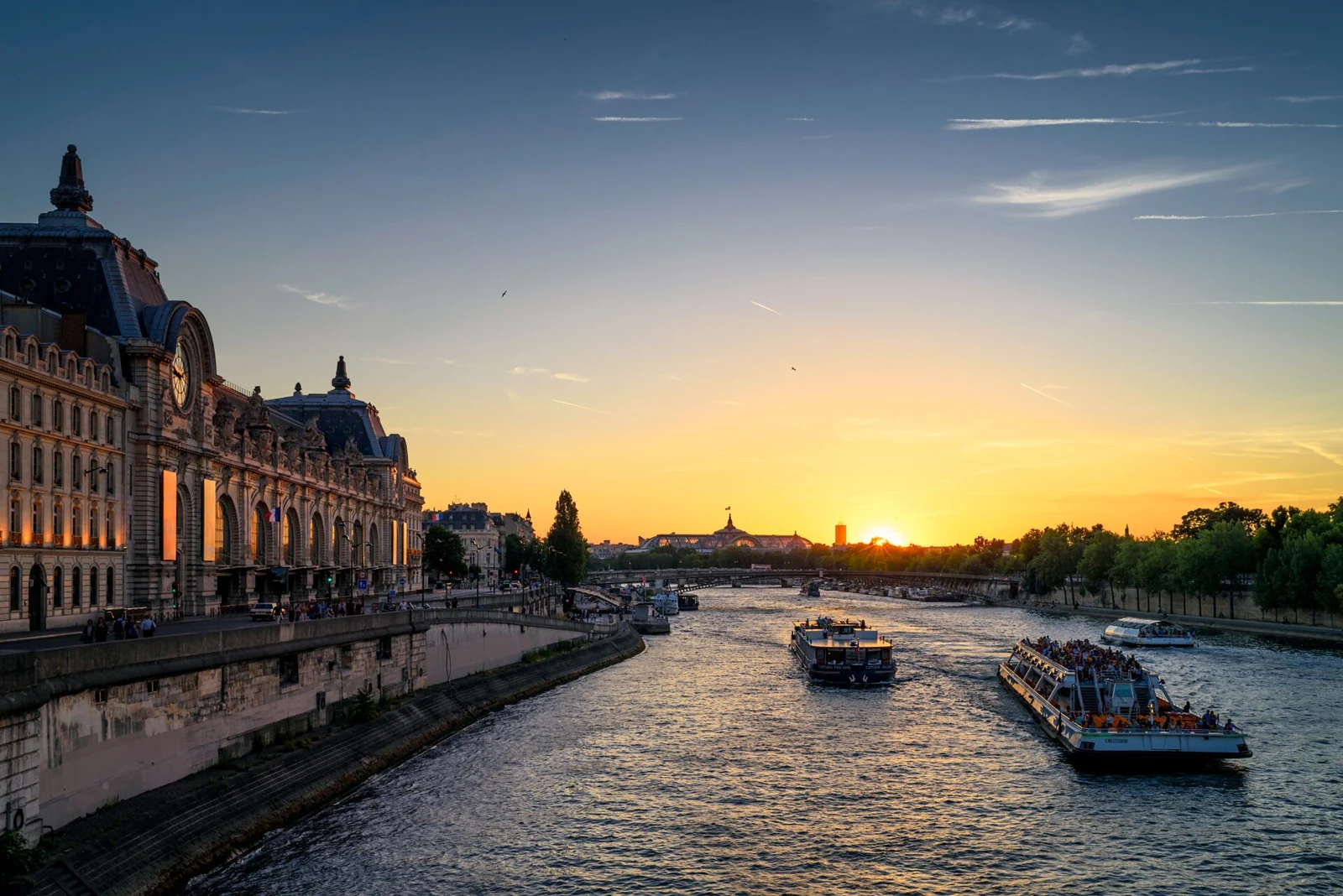
The Musée d'Orsay makes a useful starting point for nineteenth-century painting. Choose a handful of works and notice their light, weather, vantage point and signs of modern life. Afterward, walk the nearby riverbank slowly. The aim is not to recreate an exact canvas from a generic viewpoint, but to see how water changes the same architecture from moment to moment.
The Louvre offers a much longer history of images and power, while the Orangerie is closely associated with Monet's Water Lilies. These are separate visits with separate admission arrangements. Avoid packing all three into one exhausting day; a museum, a short walk and a cruise usually give the subject more room to breathe.
Books, poetry and the river as time
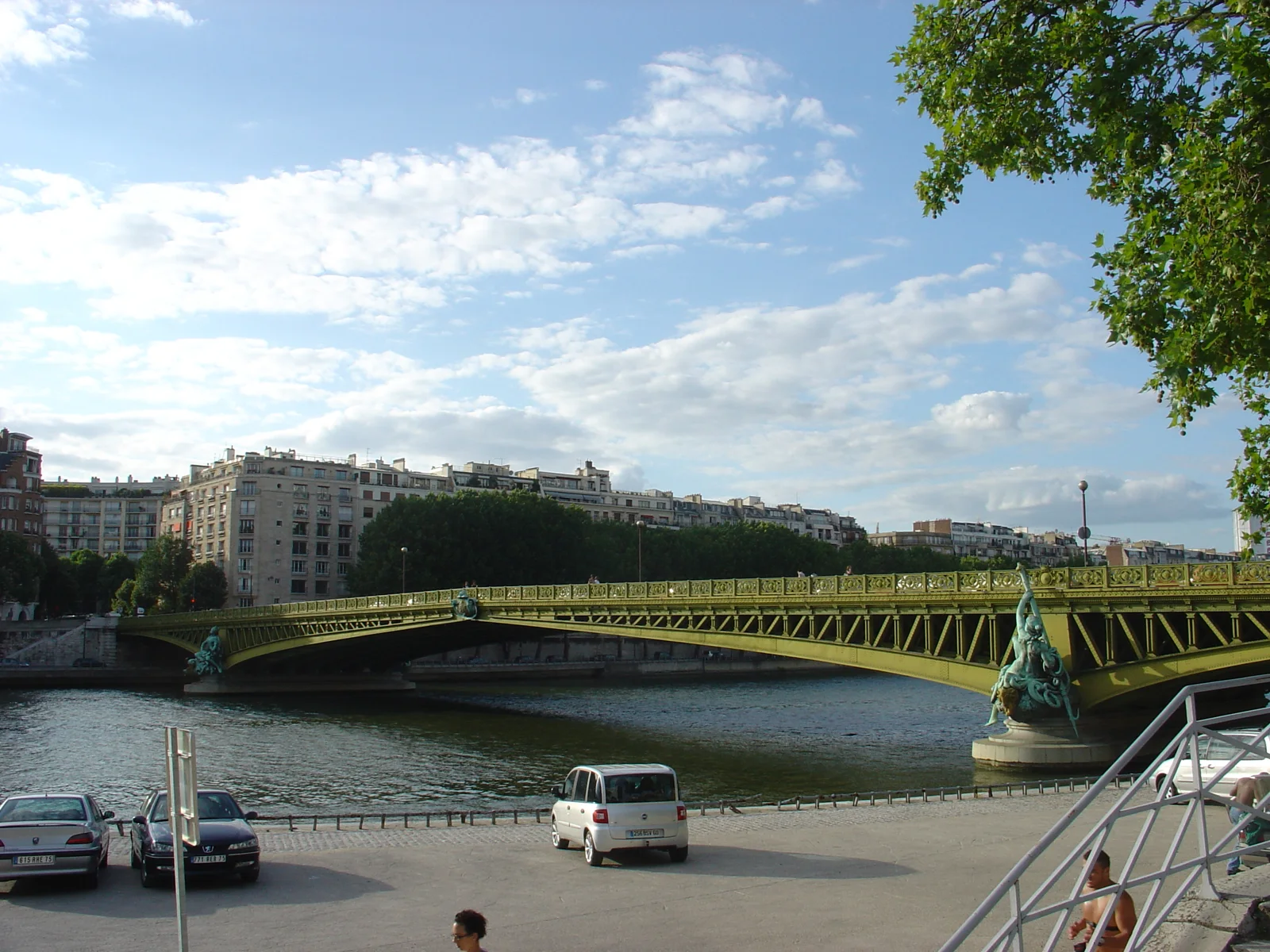
Guillaume Apollinaire's poem Le Pont Mirabeau makes flowing water a way to think about love, memory and passing time. Visiting the bridge after reading the poem gives an otherwise ordinary crossing a different emotional weight. The most useful literary encounter is often this small connection between a specific place and a text, rather than a list of famous names.
The green boxes of the bouquinistes create another literary landscape along the quays. They are working stalls, not permanent museum displays, and opening depends on the individual seller and conditions. Browse gently, ask before handling fragile items and leave room for other pedestrians. Buying a book or print can be a more meaningful souvenir than treating a bookseller as a photo prop.
The cinematic river
Parisian bridges give filmmakers movement, depth and recognisable silhouettes. The covered lower level of Bir-Hakeim is particularly distinctive, while the title and setting of Les Amants du Pont-Neuf make that bridge part of cinematic memory. A filmed scene may involve sets, controlled access or creative geography; do not assume every shot is reproducible from a public walkway.
Use film locations as a reason to explore rather than as a guarantee of an empty backdrop. On a busy bridge, keep equipment out of cycle routes and allow commuters to pass. Early daylight can offer softer light and a quieter visit, but opening, events and weather still determine the actual experience.
A cultural day with a natural rhythm
Start with one museum reservation, then use an unhurried lunch to reset. Cross Pont des Arts, browse a stretch of booksellers and finish around the islands. In the evening, a sightseeing cruise lets the same façades become a moving composition. A dinner cruise is a different choice: it adds a meal and a longer commitment, so leave the afternoon less crowded.
For a second chapter, travel to Giverny in its opening season or stay in Rouen to see the city that inspired Monet's cathedral series. The cathedral paintings are not river views, but the wider Normandy journey links city, water and artistic experimentation. Our destination guides keep those connections clear without pretending every cultural landmark stands on the Seine.
Your questions, answered
Where should I start with Impressionism?
The Musée d’Orsay is a strong Paris starting point. Giverny adds Monet’s house and gardens in their visiting season; book each visit separately.
Are the Water Lilies paintings scenes of the Seine?
The famous late Water Lilies relate to Monet’s garden pond at Giverny. The village is near the Seine, but the pond is not the river.
Can I quote a poem on a guided walk?
Read from a lawful edition and check the rights for any commercial publication or performance. Our guide describes the connection without reproducing protected passages.
Sources & editorial notes
The guide draws on city, museum, heritage, transport and operator information. Practical recommendations are our editorial judgement; follow the current official notice for date-specific access.
Some links are affiliate links. We may earn a commission if you book through them, at no additional cost to you. Prices, availability and booking terms are set by the provider.