Use the river as your organising line
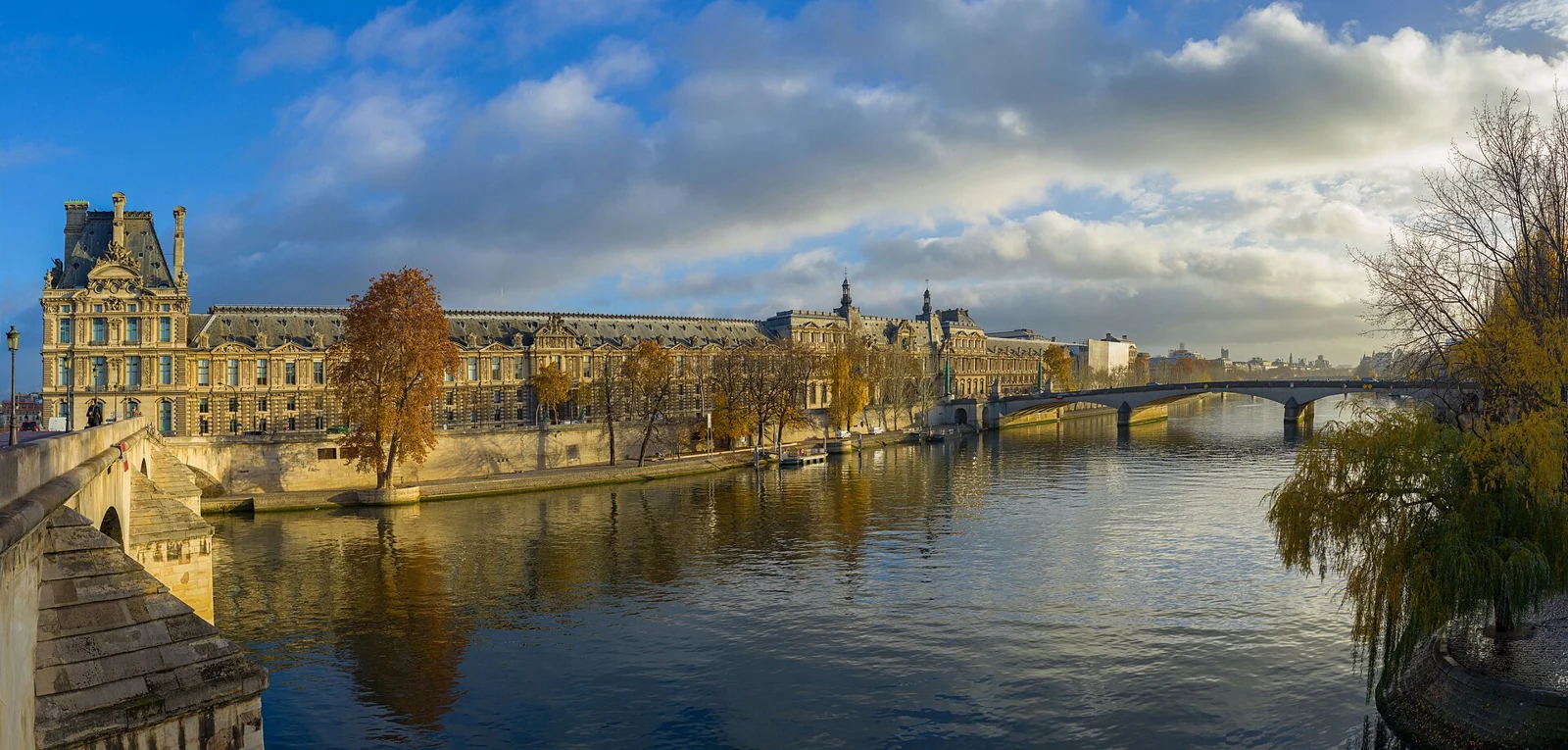
The Seine gives a first visit to Paris a natural structure. Instead of crossing the city repeatedly to collect landmarks, work in riverfront clusters. The central islands form one chapter, the Louvre and Orsay another, and the Eiffel Tower area a third. Each can include a walk, one substantial visit and a place to pause.
This approach does not mean everything important in Paris is beside the river. Montmartre, the Opéra district and many neighbourhoods deserve separate time. A river-based plan simply provides a clear foundation and helps you avoid treating a map full of famous names as a realistic single-day itinerary.
Begin with the islands
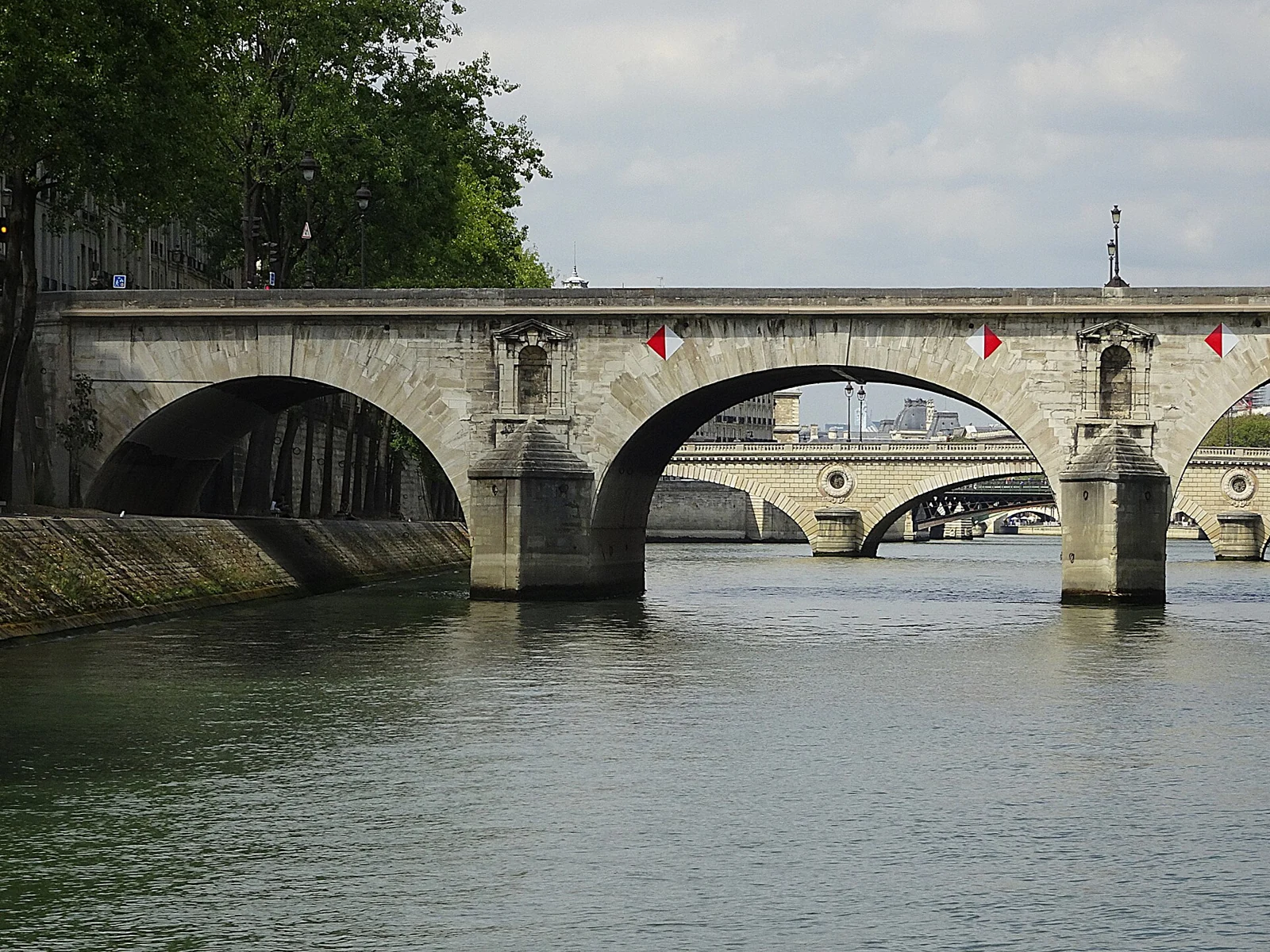
Around the Île de la Cité, the river explains the position of bridges, quays and historic institutions. Walk between Pont Neuf and the cathedral area, then cross towards Île Saint-Louis for a different scale of streets and buildings. Cathedral entry, tower access and nearby monuments have their own arrangements; a cruise ticket does not include them unless the listing explicitly says so.
The lower quays offer closer contact with the water, but often involve steps and can close in high water. Street-level paths are useful alternatives. For a slower morning, choose one bank for the outward walk and return across another bridge rather than constantly doubling back.
Give the museums enough space
The Louvre can fill a day, but a focused visit to selected galleries is often more memorable than trying to see everything. Orsay offers a different collection and a strong relationship with nineteenth-century Paris. Booking both on the same day is possible only with deliberate limits and can leave little energy for the river itself.
Check each museum's opening calendar and timed-entry rules directly. Leave a buffer for security, cloakrooms and the distance from the entrance to the galleries you want. A guided option can provide structure; compare the group size, admission inclusion and actual meeting point before choosing it.
Pair the Eiffel Tower with the water
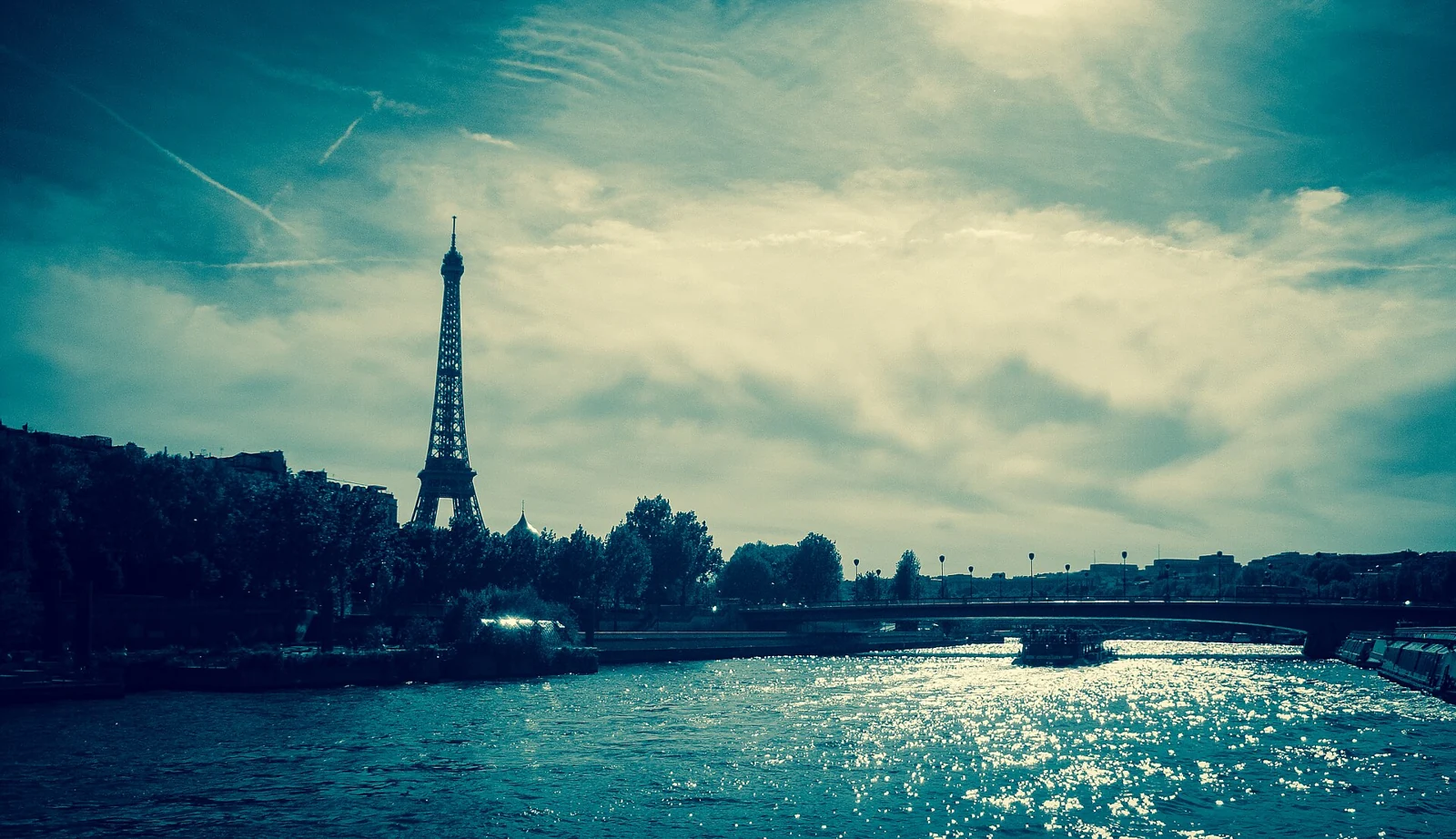
The tower and the river work well together, but they are separate experiences. A tower ticket may cover only a particular floor or access method. A cruise may depart nearby or from a completely different pier. Check both confirmations before building a combination around a promotional photograph.
For a lower-cost riverfront afternoon, walk around the tower's surroundings, cross a bridge for a different perspective and take a simple sightseeing cruise. If you book the tower itself, leave enough time afterward to reach the pier without rushing. The walk to the lower quay is part of the transfer.
Leave one stretch unplanned
The most rewarding river moments often happen between bookings: a bookseller setting out stock, a change of light under a bridge or a quiet bench away from a major monument. Keep a spare hour and resist filling every pause with another attraction. Comfortable shoes, a water bottle and a light layer often improve the day more than a complicated pass.
Our planner suggests coherent clusters for one to three days and lets you share the route. Add practical services only where needed: an airport transfer for a difficult arrival, luggage storage before check-in, or an eSIM for maps and booking confirmations. The river should remain the reason for the trip, not a corridor between checkout pages.
Your questions, answered
Can I see the main riverfront sights in one day?
You can enjoy an introduction with a walk and cruise. Visiting the interiors of the Louvre, Orsay and Eiffel Tower in the same day usually creates a rushed schedule.
Do I need a car in Paris?
Most visitors can use walking and public transport. A rental car is more useful for a specific rural Normandy extension than for central Paris.
Are the lower riverbanks always open?
No. High water, events and works can affect access. Keep a street-level alternative and follow local signs.
Sources & editorial notes
The guide draws on city, museum, heritage, transport and operator information. Practical recommendations are our editorial judgement; follow the current official notice for date-specific access.
Some links are affiliate links. We may earn a commission if you book through them, at no additional cost to you. Prices, availability and booking terms are set by the provider.